Traditional Steam Sauna vs Infrared Sauna (Detailed comparison, cost, benefits and more…)

Thinking about getting a sauna for your home? Not sure where to start? In this article, we explain the difference between a traditional steam sauna and infrared sauna and cover all the key things you need to consider when buying a sauna for your home.

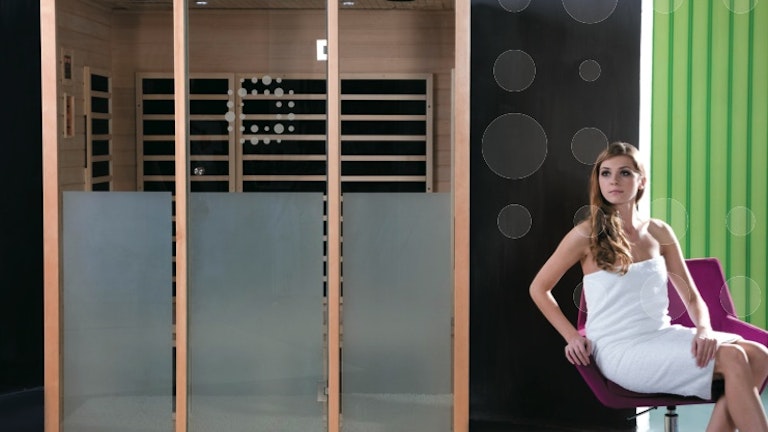
Steam v Infrared Sauna Hero

With their unique wellness advantages, traditional steam saunas and infrared saunas let you pick the perfect option for your needs.

While Spa World does not currently stock traditional steam saunas, our expertise in wellness products, including infrared saunas gives us a deep understanding of the differences between these two popular options.

In this article, we’ll break down the benefits, features, and considerations of both traditional steam and infrared saunas to help you decide which one is the right choice for you.

Key Takeaways

  • Heating & Temperature. Traditional saunas use steam at 70-85°C, while infrared saunas provide gentler, direct heat at 46-57°C.
  • Health Benefits. Both reduce stress and aid recovery, but infrared saunas offer added detox and cardiovascular benefits.
  • Efficiency & Maintenance. Infrared saunas heat up faster, cost less to run, and require less cleaning than traditional saunas.
  • Cost & Installation. Infrared saunas ($2,500-$10,000) are cheaper and easier to install than traditional saunas ($10,000-$30,000).
  • Experience. Traditional saunas are hot and steamy for short sessions, while infrared saunas are dry and relaxing for longer use.

Watch: Traditional vs infrared sauna which is best?

What is a sauna?

Put simply, ‘sauna’ describes any heating system intended to create profuse sweating.

Saunas are thought to have originated in Finland around 7000bc. The earliest known sauna structures were dug into the earth and lined with stone.

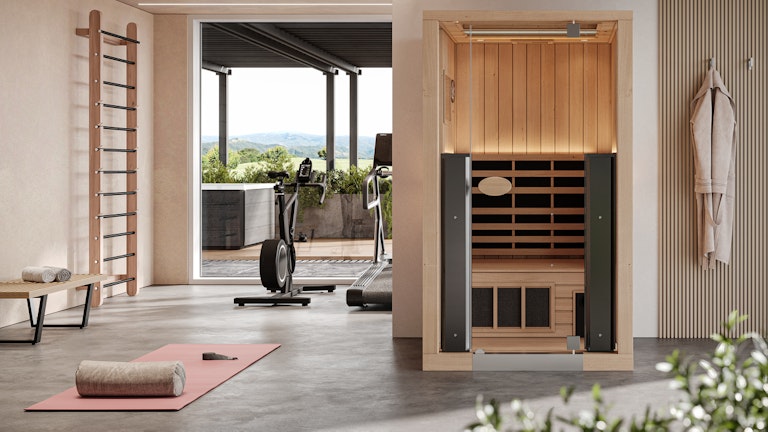
Today, modern saunas are typically timber-framed rooms heated with hot stones, wood stoves, hot embers, or electricity. They can be indoors or outdoors.

There are lots of different types available from traditional steam saunas and steam rooms heated with hot stones through to the latest state-of-the-art infrared therapy saunas.

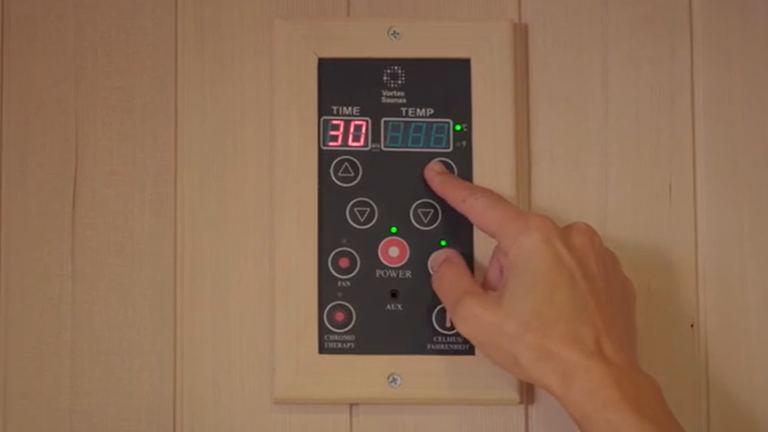
Today’s saunas can be quite high-tech, offering features such as sound systems, Bluetooth® connectivity, mood lighting, and a range of colours and timber options to suit your home. Jacuzzi® Saunas also incorporate red light therapy to further enhance the wellness experience.

Traditional sauna

What does a sauna do?

Saunas have been used for therapeutic and relaxation purposes for centuries and have long been part of traditional medicine. People have known for thousands of years how beneficial “sauna bathing” can be for mind, body and soul.

The high heat is believed to offer several benefits, including:

  • Reducing stress
  • Improving sleep
  • Supporting muscle recovery after exercise

Both traditional and infrared saunas can provide a deep sense of relaxation and relief for sore muscles and joints.

Traditional Steam Sauna vs Infrared Sauna

What types of saunas are there?

There are four diverse types of saunas:

  • Traditional or Hot Rock Sauna
  • Dry sauna
  • Steam bath or Turkish bath
  • Infrared therapy sauna

Each type offers a slightly different experience, but for most homes the two main options are:

  • A traditional hot rock sauna
  • An infrared therapy sauna

Home saunas can be:

  • Custom-designed (built to suit your space)
  • Pre-built / portable (bought “off the shelf”)

Pre-built saunas are usually:

  • More affordable than fully custom designs
  • Portable
  • Able to be installed in about 1–2 hours in many cases
  • Available in a range of styles and sizes for different spaces
Infrared sauna

What is an infrared sauna?

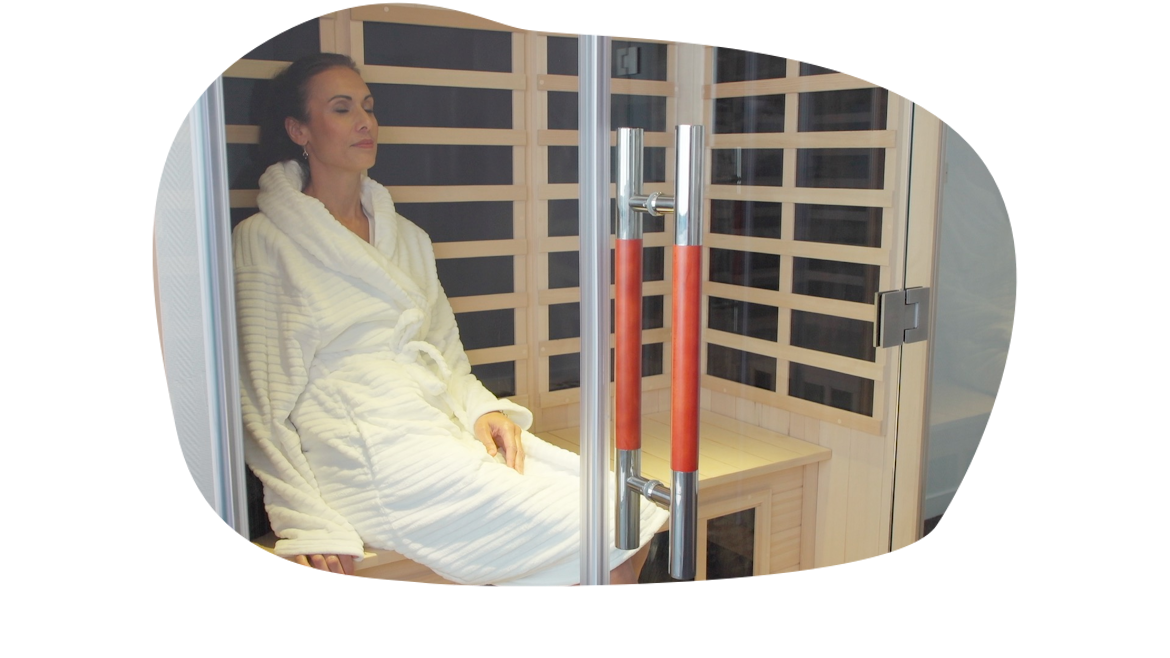
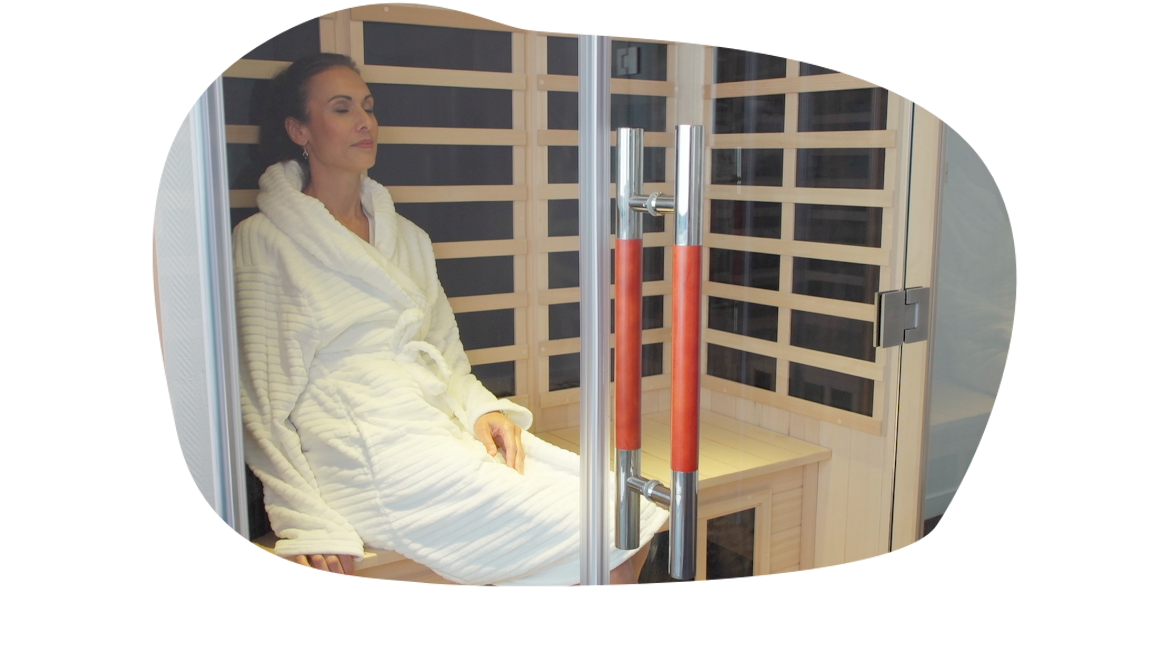
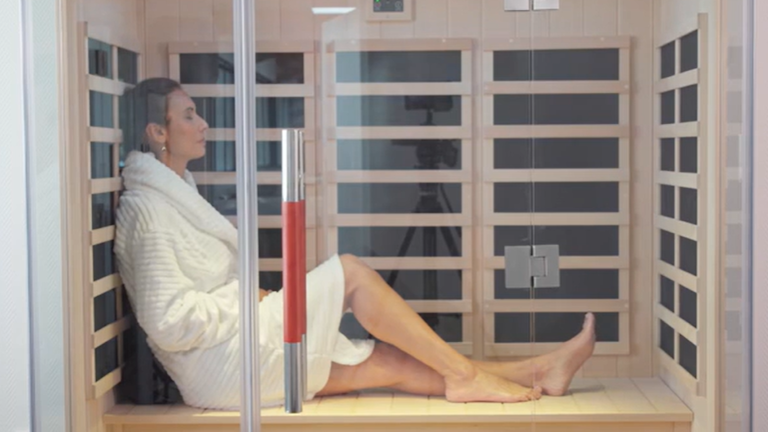
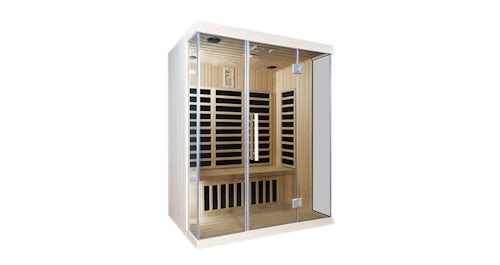
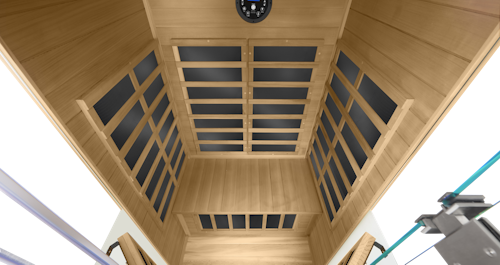
An infrared sauna is a wooden cabin fitted with infrared heaters designed to relax, detoxify and help heal the body.

Unlike traditional or classic saunas that heat the air (and then the air heats your body), infrared saunas use advanced infrared heaters to warm your body directly. As your body absorbs the infrared heat, thermal energy increases and you begin to sweat deeply, even though the air temperature is lower than in a steam sauna.

Commonly reported benefits of infrared saunas in the original article include:

  • Reduced muscle pain
  • Better sleep
  • Stress reduction
  • Improved mental clarity

Learn more about infrared sauna benefits in this detailed article.

Traditional steam sauna vs infrared sauna: 9 key differences

On the surface, a traditional steam sauna and an infrared sauna look similar, both are timber rooms or cabins designed for seated heating and sweating. But there are nine important differences that can significantly affect your experience, installation and running costs.

Difference

Traditional steam sauna

Infrared sauna

Heating method

Heats air with hot rocks and steam

Heats your body directly with infrared heaters

Typical temperature

Around 70–85°C

Around 46–57°C

Heat-up time

~30–40 minutes

~10–15 minutes

Session length

Usually 10–20 minutes

Often 30–40 minutes or more

Running costs

Generally higher; can be 2–3× infrared per month

Generally lower; example given is around $10/month (3 sessions per week)

Maintenance

More moisture can feel great – it just means a little extra care is needed to keep mould and mildew at bay.

Dry heat; less moisture and generally easier to keep clean

Installation

Often requires professional plumbing, drainage, ventilation and electrical work

Many models are pre-built; can often be DIY-assembled and plug into household power

Location

Can suit outdoor use, especially in very cold climates

Must be installed indoors in temperature-controlled spaces

Up-front cost

Often $10,000–$30,000

From around $2,500; mid-market around $7,000–$10,000; premium models $10,000+

1. Heating method

Traditional steam sauna

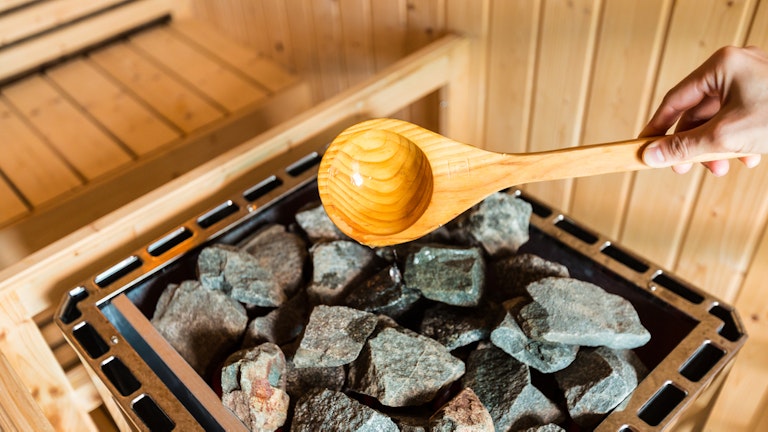
  • Uses an electric sauna heater filled with rocks.
  • You pour water over the hot rocks to create steam, which heats the air and then your body.

Infrared sauna

  • Uses infrared heaters.
  • The quality of the infrared heat is more important than how hot the air is.
  • After about 15 minutes of warm-up, you get in and warm up with the sauna as your body absorbs the heat.

As your body absorbs infrared heat, thermal energy can increase and induce a deep, relaxing sweat.

Infrared sauna

2. Temperature

Traditional steam sauna

  • Air temperature typically needs to be around 70–80°C to induce sweating.
  • Can reach up to around 85°C.

Infrared sauna

  • Air temperature can stay well below 60°C while still creating high levels of perspiration.
  • Operates on average between 46–57°C.

If you prefer intense heat and steam, the hotter traditional environment may appeal. If you prefer a cooler, drier environment, you might lean toward an infrared sauna. Trying both before you buy is highly recommended.

Infrared sauna vs steam sauna benefits

3. Health benefits

Both traditional steam saunas and infrared saunas have been used for relaxation and therapeutic purposes and are associated with benefits such as:

  • Relaxation and stress reduction
  • Muscle relaxation
  • Relief for aching joints
  • Sweating for healthier-looking skin

There are also numerous studies on infrared saunas and lists “proven benefits” including:

  • Relieving stress
  • Lowering blood pressure
  • Relieving muscle and joint pain
  • Helping maintain cardiovascular health
Steam vs infrared sauna heat up time

4. Heat-up time

Traditional Hot Rock sauna

  • Takes around 30–40 minutes to heat up so that the rocks reach an ideal temperature for soft heat and steam.

Infrared sauna

  • Takes around 10–15 minutes to heat up.

Because infrared heats the body directly, you can get in as soon as the heaters are at full temperature.

Sauna electricity cost

5. Running costs

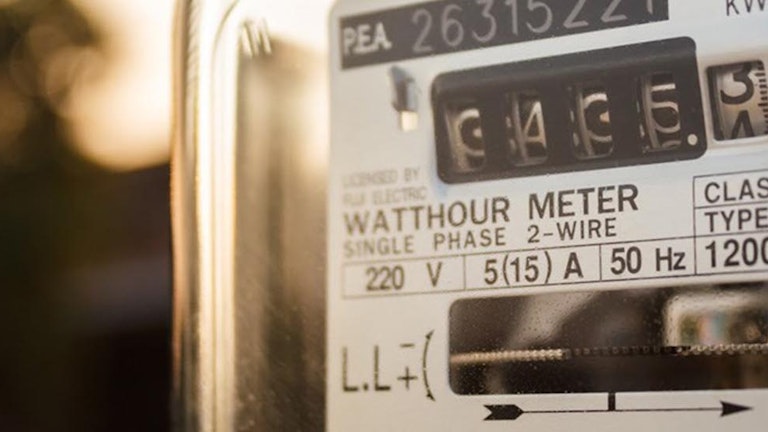
Several factors influence sauna running costs, including:

  • Your local electricity cost per kilowatt-hour
  • The kilowatt rating of the heater
  • How often and how long you use your sauna

Infrared saunas generally cost less to run than steam saunas because they:

  • Operate at lower temperatures
  • Heat up faster
  • Use less electricity per session

Example: Using an infrared sauna three times a week is described as costing around $10 a month in electricity.

Traditional Steam saunas typically cost more to run. Example: A traditional sauna with a 6kW element used for an hour, three days a week, is described as costing over $20 per month.

***Infrared and steam saunas are both described as generally energy-efficient, and you can calculate your own running costs by multiplying your electricity tariff (per kilowatt-hour) by your heater’s rating and usage. ***

6. Maintenance

Saunas are fairly low-maintenance overall, but some require more cleaning than others.

Infrared saunas

  • Provide dry heat; the only moisture is from your perspiration.
  • This can reduce the chance of mould and mildew and make for a cleaner environment.

Traditional steam saunas

  • Hot and steamy spaces, similar to a bathroom.
  • Regular cleaning to keep them free of mould and mildew, and being vigilant about maintenance so they remain hygienic and safe.

Spa World recommends:

  • Using only environmentally-friendly, non-toxic cleaning products
  • Never using bleach or harsh chemicals
  • Sitting on towels to prevent build-up of germs or sweat stains on benches and walls
The sauna experience

7. The sauna experience

The experience feels quite different between traditional and infrared saunas.

Traditional steam sauna

  • Hot, steamy environment
  • Typically tolerable for about 20 minutes at a time (often described as 10–15 minutes in the pros and cons section)
  • Some people like to take a cold shower or plunge into cold water between sessions

Infrared sauna

  • Dry, comfortable, relaxing heat
  • Usually kept between 50–60°C with no humidity
  • Often used for 40 minutes or more in a single session
  • The heat is described as very effective at inducing deep, detoxifying perspiration

When deciding which experience is better, it all comes down to:

  • The type of heat you enjoy
  • The effect you want it to have on your body

Our advice? “Try before you buy” to see which you enjoy more.

Modern infrared sauna

8. Installation

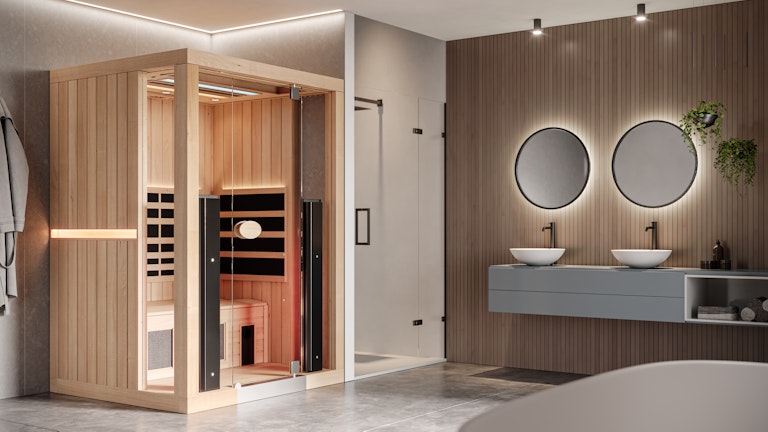
Installing a sauna is a significant home upgrade that can add value to your property. If your sauna is portable, you may also be able to take it with you when you move.

DIY vs professional installation

Traditional steam saunas Typically need professional installation. Often require plumbing, drainage, ventilation and electrical work. These extra requirements add to the final cost and are a key reason steam saunas are usually more expensive overall.

Infrared saunas Many are supplied as pre-built or portable units. Assembly can be relatively simple for two people using common hand tools. For example, Vortex® Infrared Saunas taking around 1–3 hours to assemble. Once assembled, they can usually plug into a standard household power socket. Even with pre-built steam saunas, an electrician and/or plumber is often still required to wire in extraction fans and install drainage.
Location

  • Some traditional saunas can be placed outdoors, and they are noted as well-suited to the outdoors in very cold climates.
  • Infrared saunas can be installed indoors or outdoors, depending on the model you choose and your available space.

Important: Before installing a sauna, it's crucial to be aware that installing one outside (even under shelter) may put your warranty at risk. Manufacturers often design these wellness units with specific operating environments in mind, typically for indoor use where they are shielded from the elements. As such, exposure to outdoor conditions—be it rain, snow, extreme temperatures, or humidity—can lead to damage not covered by the standard warranty.

9. Sauna cost and prices

The final price of a sauna depends on:

  • Type of sauna
  • Size of the unit
  • Type and quality of wood
  • Quality of the equipment (including heaters)
  • Features and options included

Infrared sauna prices

  • Around $2,500 for an entry-level unit
  • Around $7,000–$10,000 for high-quality, mid-market saunas
  • $10,000+ for premium models

Traditional steam saunas

  • Generally a lot more expensive than infrared saunas
  • Often need professional installation, which adds to the cost
  • Described as costing around $10,000–$30,000, or roughly 2–3 times the price of equivalent infrared units

For example:

  • You might pay $8,000 for a quality mid-market infrared sauna with the extra benefits of infrared, or
  • $15,000–$20,000 for a mid-range steam / hot rock sauna.

In summary, we think value for money is certainly something to factor in when comparing infrared and traditional saunas. It doesn’t depend on what you’re looking for, but if cost is a factor in your decision then you may find that dollar-for-dollar, an infrared sauna is the more affordable option.

Learn more about infrared sauna costs.

Infrared sauna or steam

Traditional sauna pros and cons

Traditional sauna: Pros

  • Authentic sauna experience. With their hot and steamy environment, traditional saunas are much closer to the original Finnish saunas of old. If you can’t imagine a sauna without high heat and steam then this is a definite plus.
  • Humidity control. With a traditional sauna, you can adjust the humidity by using more or less water. Find the level of humidity that is comfortable for you
  • Outdoor use. Traditional saunas are well suited to the outdoors in very cold climates.

Traditional sauna: Cons

  • Longer to heat. It takes about 30 to 45 minutes for a traditional sauna to heat up. Whereas infrared saunas are ready to use in about 10 to 15 minutes.
  • Shorter sessions. Due to the high heat, a typical session is about 10 to 15 minutes.
  • Higher running costs. Traditional saunas can cost more to operate than infrared. The operating costs can be two to three times more than infrared saunas.
  • Installation costs. Steam saunas typically need to be installed and plumbed in by a professional, which is an extra cost.
Infrared sauna pros cons

Infrared sauna pros and cons

Infrared sauna: Pros

  • Faster heat-up time. Infrared saunas are ready to use in about 15 or 20 minutes, compared with traditional saunas which take about 30 to 40 minutes to heat up.
  • Cheaper running costs. Infrared saunas can cost about half as much to run as traditional electric saunas.
  • Longer sessions. Because the air temperature is lower, you can stay in an infrared sauna longer – a typical session is 30 to 40 minutes.
  • Health benefits. There are many proven health benefits of infrared saunas.
  • Easy to install. A pre-built infrared sauna can be installed in around one to two hours. Once it’s set up you can usually just plug it into your household electrical socket.
  • No venting. Because they are dry heat and do not have steam, infrared saunas can be used indoors without the need for venting.

Infrared sauna: Cons

  • No humidity. This could actually be a pro or a con, depending on your preferences. For those who prefer the steamy environment of a traditional sauna, a dry sauna could be a deal-breaker. However, if you prefer your saunas on the dry side, then the lack of humidity is a bonus.
  • Limited outdoor use. Infrared saunas must be installed indoors in temperature-controlled spaces. Never install outdoors. While not recommended, garage installation is possible if the space maintains stable temperature and low humidity. For optimal performance and warranty protection, follow manufacturer guidelines and prioritie controlled indoor environments.

Dry or steam sauna?

Choosing which type of home sauna to buy depends on what you’re looking for and which sauna will best meet your wellbeing needs.

Certainly, the hot and steamy atmosphere of traditional saunas is a major drawcard for people seeking an authentic ‘Finnish’ sauna experience.

However, while traditional steam saunas provide what many consider to be a ‘true’ sauna experience – they tend to be more expensive to install, have slightly higher running costs, and require a little more maintenance than infrared alternatives.

The high temperatures of steam saunas mean a typical session is around 15 to 20 minutes. Infrared saunas, on the other hand, have a lower heat so a typical session can be up to 40 minutes.

In terms of sweat factor; while the hot air from a traditional steam sauna creates surface sweat, the gentle heat from infrared saunas raises the core body temperature - delivering a deep, intense sweat.

There have been numerous studies into the effects of steam and infrared heat on the body. Both types of saunas are known to be great for relaxation, recovery and rejuvenation. According to the research, infrared heat may deliver some additonal benefits to steam saunas. You can learn more about the research and health benefits of saunas in this detailed article.

Regardless of the type of sauna you choose, we always recommend that you consult with your medical practitioner before buying any sauna.

In conclusion

With so many options to choose from, buying a sauna can be a daunting task.

The truth is, both traditional and infrared saunas have pros and cons. The goal is finding a sauna that matches your health and wellbeing goals, fits the space available and suits your budget.

The most important thing is to buy the sauna you’ll use the most. Ask yourself the following questions:

  • What do you need it for?
  • What type of heating and temperature do you like?
  • What health benefits are you seeking?
  • How much do you want to pay?
  • What size sauna do you need?
  • How much time do you want to spend looking after a sauna?

Once you know the answers to these questions you’ll have a much better idea of the type of sauna that will work best for you and that you will use and enjoy for many years to come!

Spa World spas

For expert advice, come and talk to us at Spa World. We’re passionate about health and wellness and are experts in saunas and spas, with over 30 years in the industry.

We back every product we sell with industry-leading warranties and offer a ‘no-risk’, 60-day money-back guarantee.

Download the Sauna Buyer’s Guide below for more tips, ideas and advice on finding the perfect sauna for you.

Disclaimer

The health information contained in this article is not intended to prescribe a particular diagnosis or course of action. We are not medical professionals. If you have any concerns about your current health or wellbeing, please contact your GP or other medical professional for advice.

Related Articles

What our customers say about us

We work hard for your Five Star ratings.

Birdeye is a trusted platform for customer reviews and ratings.